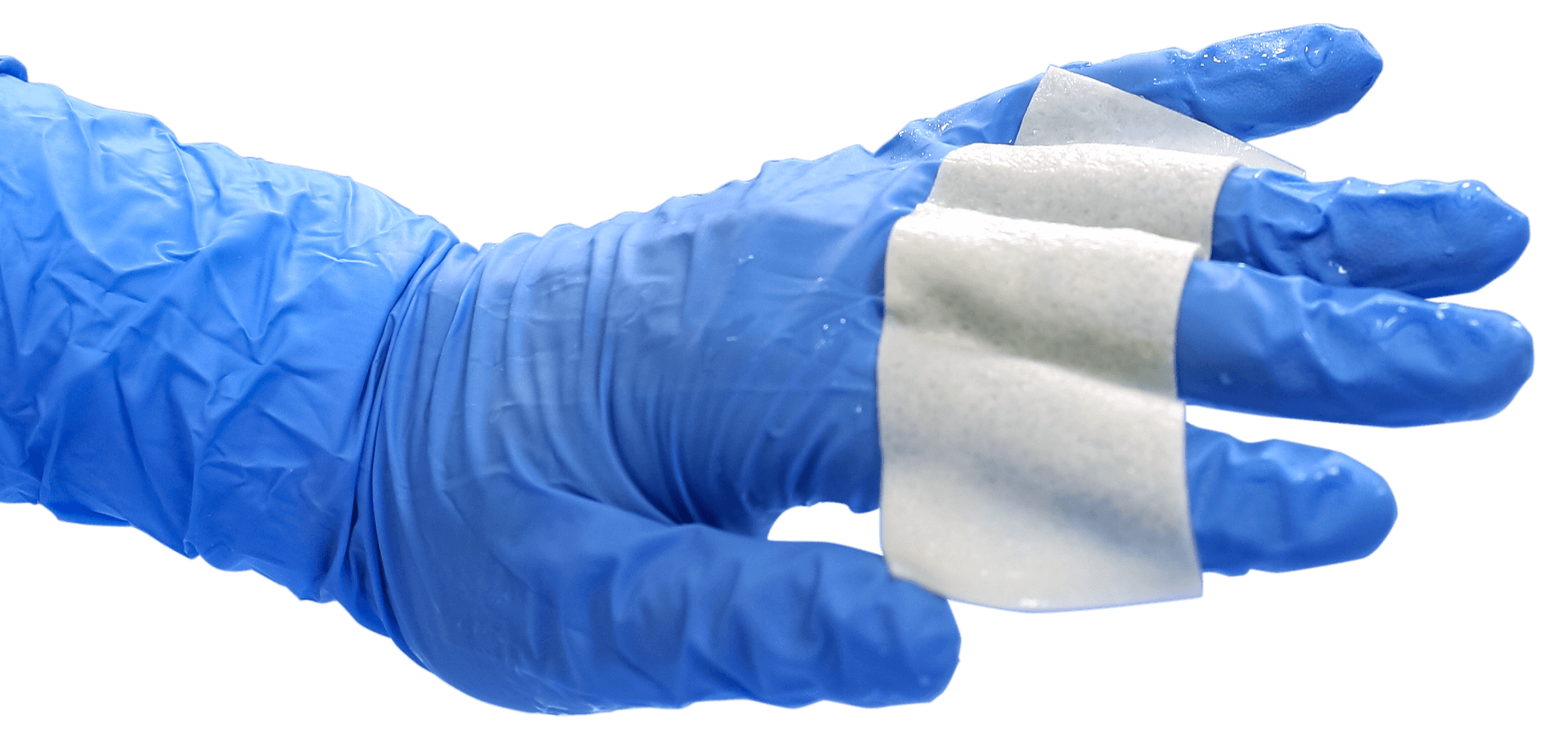
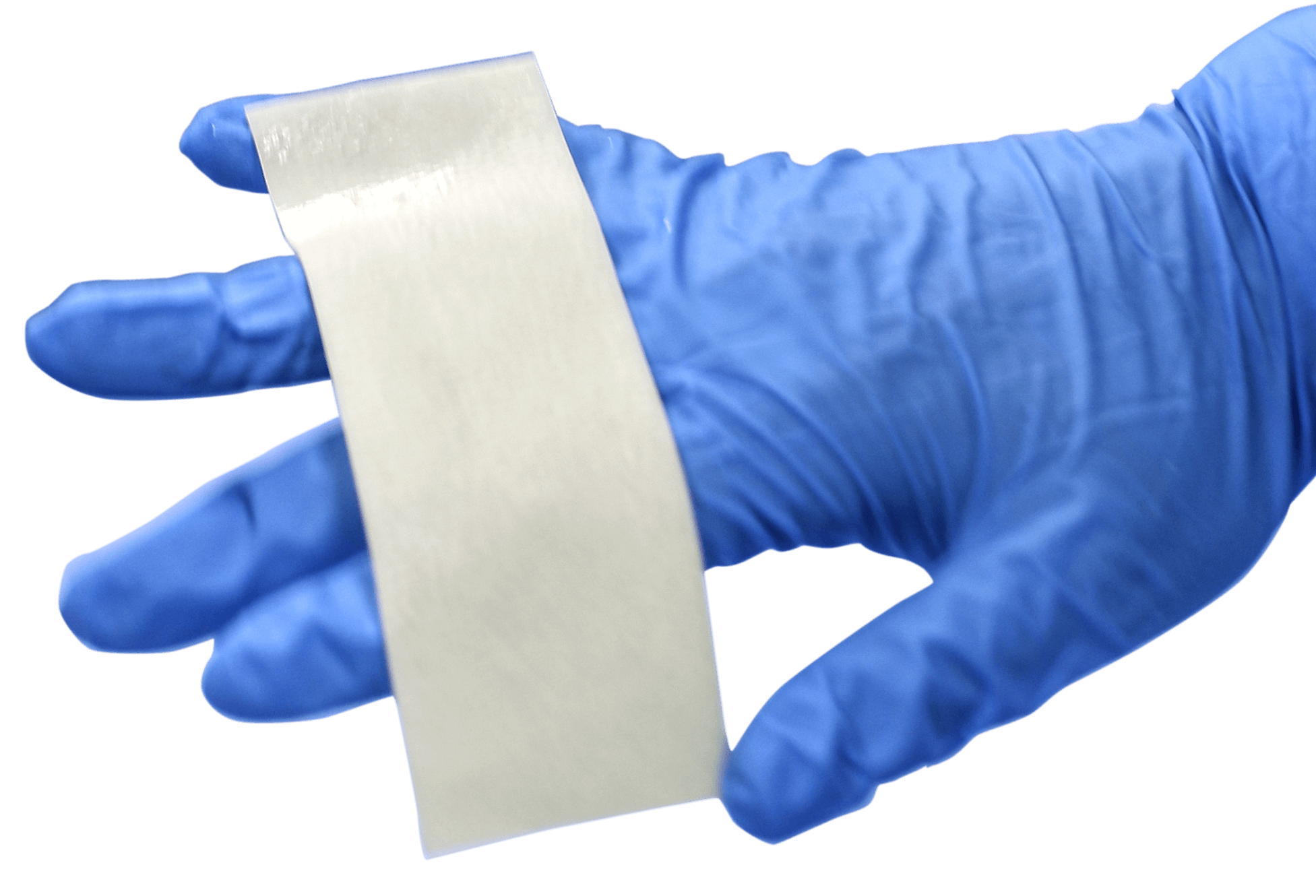
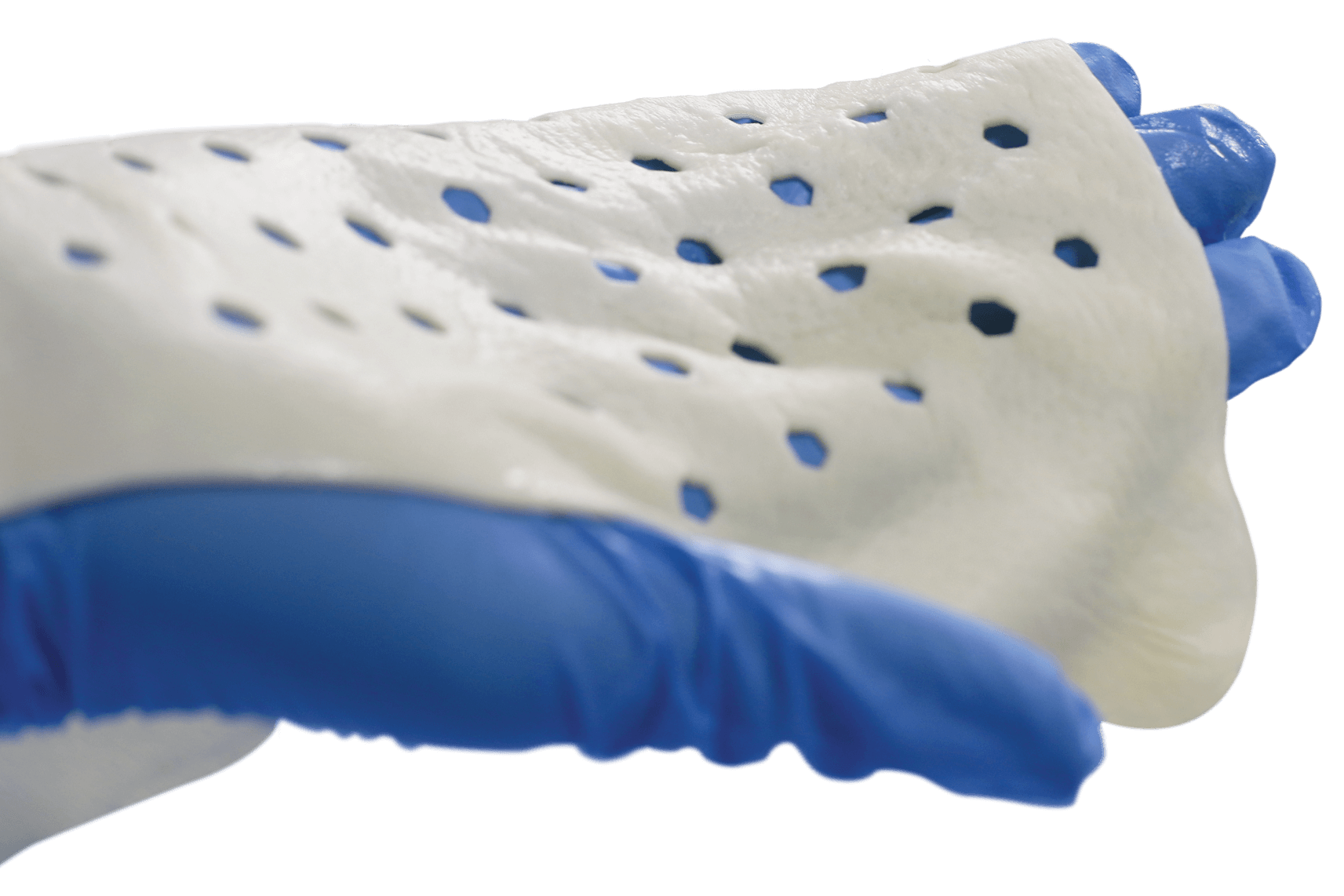
Dermis thickness impacts handling characteristics such as pliability and conformability. The Cortiva® allograft dermis portfolio features a uniform thickness throughout the graft and tight thickness specification tolerances to provide a consistent and predictable handling experience for surgeons.1,‡
Uniform intra-graft predictability
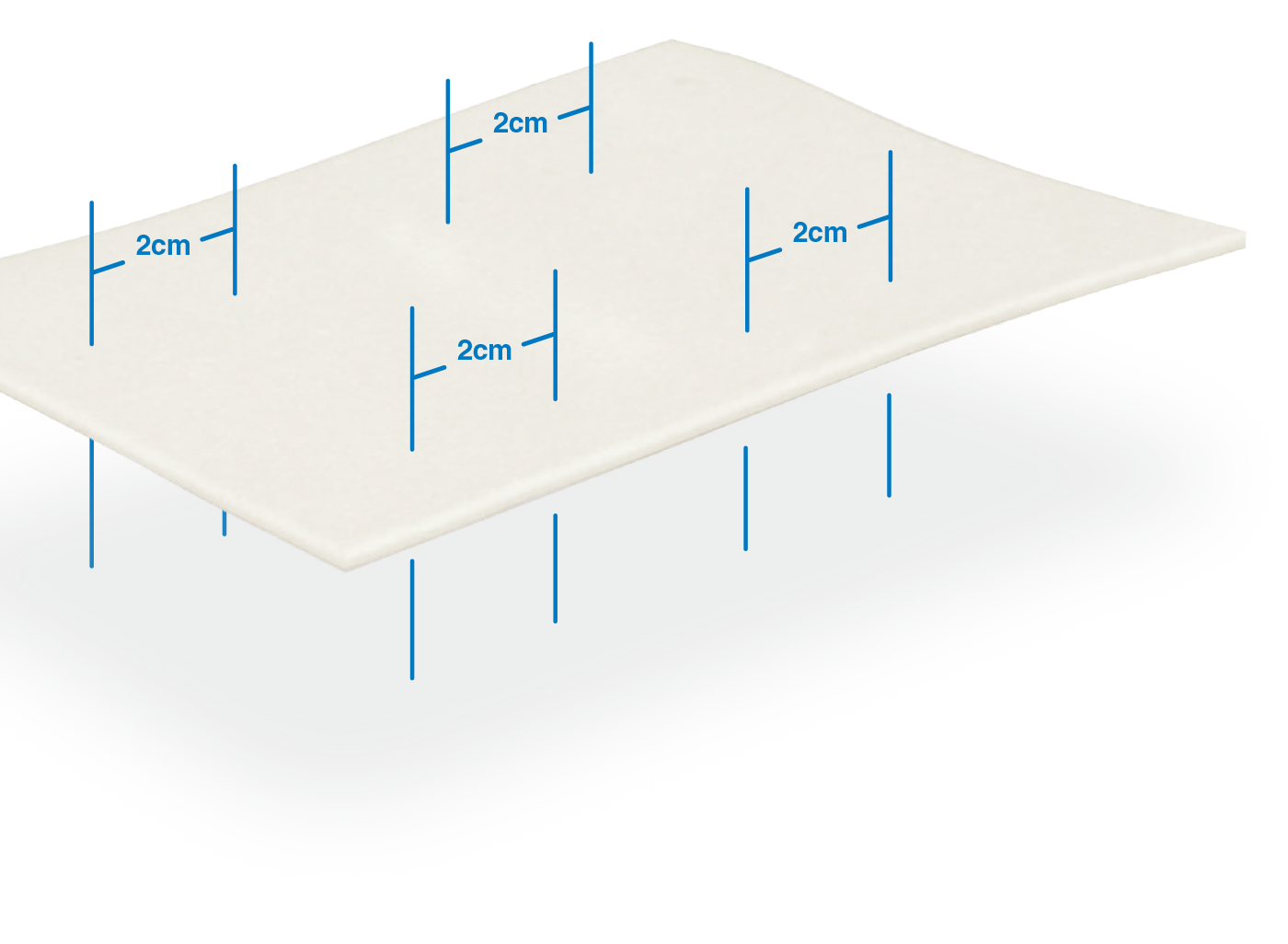
Predictability is our focus. Cortiva® allograft dermis grafts are precisely controlled to ± 0.1–0.125mm, measured every 2cm increment.1
Exceptional inter-graft thickness consistency
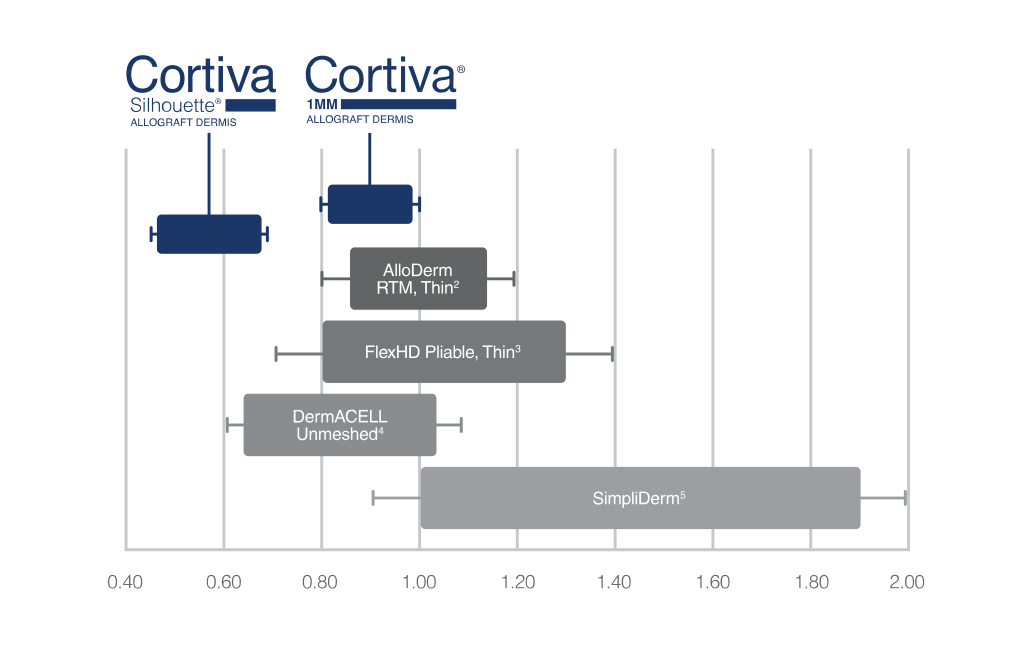
Cortiva® allograft dermis grafts feature a precise thickness consistency range compared to other leading acellular dermal matrixes of similar thickness.1 Comparison based on publicly available specifications.
Precise thickness consistency of ± 0.1–0.125mm.1
Measured every 2cm for consistent thickness.1
Length and width confirmed twice with a laser-calibrated ruler.1
Conforms to specifications without deviation. Graft measurements are not averaged.
Proprietary gentle processing
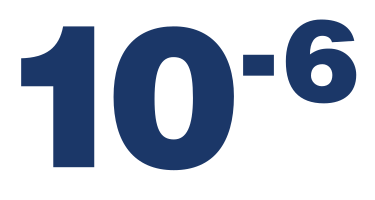
The proprietary sterilization process used for Cortiva® allograft dermis achieves a Sterility Assurance Level (SAL) of 10-6 while preserving the graft’s native dermal structure and biomechanical characteristics.1
1 in 1,000,000 chance a viable microorganism survives the sterilization process
Sterility assurance level of 10-6
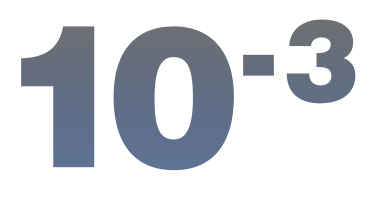
U.S. Food and Drug Administration (FDA) recommendation for medical devices: The sponsor should state the Sterility Assurance Level (SAL) of 10-6 for devices labeled as sterile. FDA recommends a SAL of 10-3 for devices intended only for contact with intact skin.8
Most used ADMs
1,000 times more likely to contain microorganisms than SAL 10-6
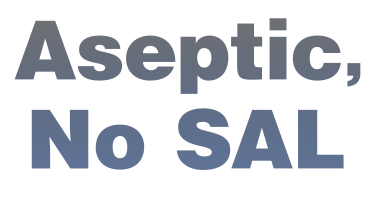
Some ADMs
Up to 1,000,000 times more likely to contain microorganisms than SAL 10-6
Preserved dermal structure
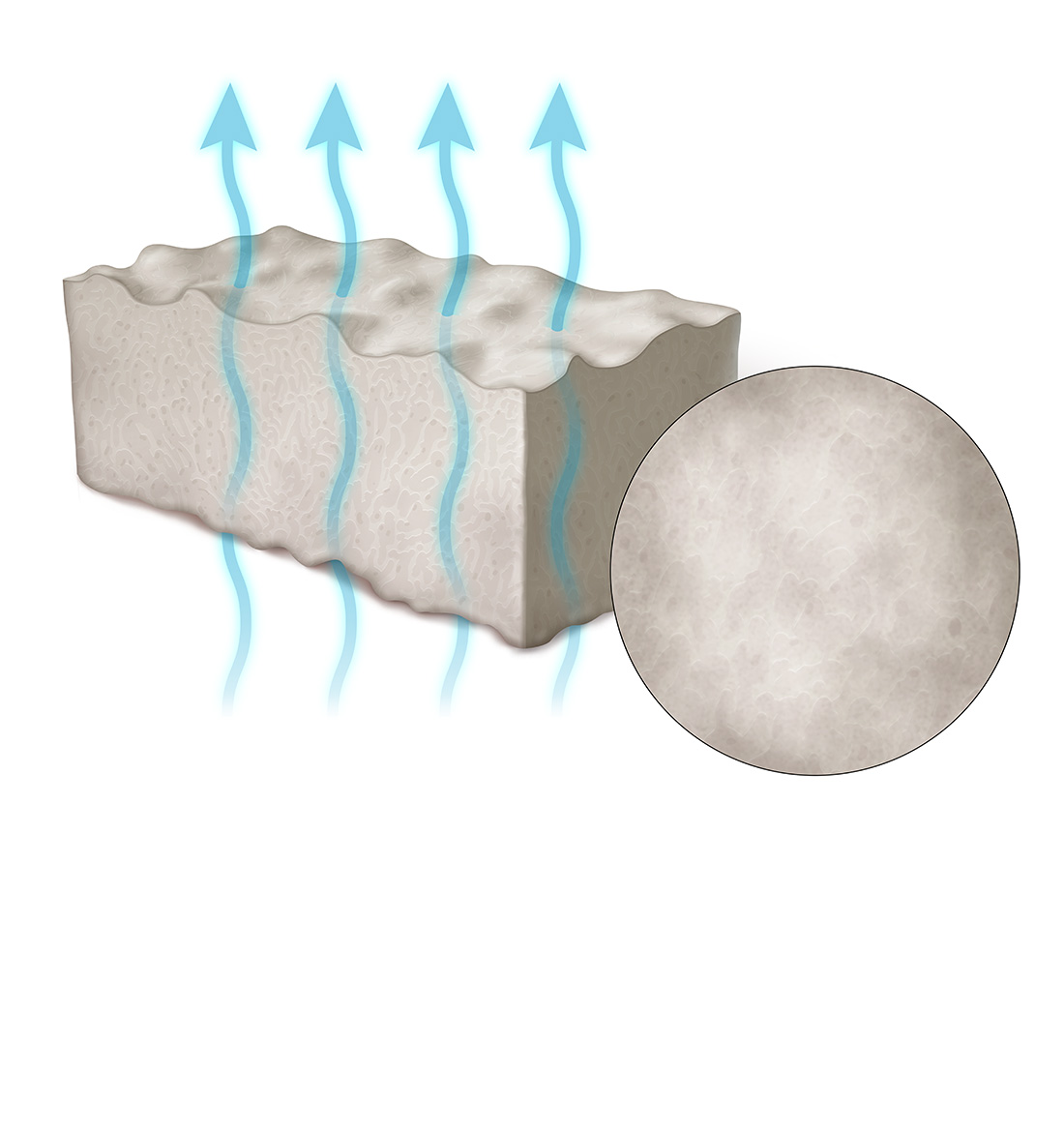
The proprietary processing used across the Cortiva® allograft dermis portfolio is validated to inactivate or remove a broad panel of viruses, bacteria, fungi, and spores, while preserving the native dermal structure and biomechanical characteristics.1,*
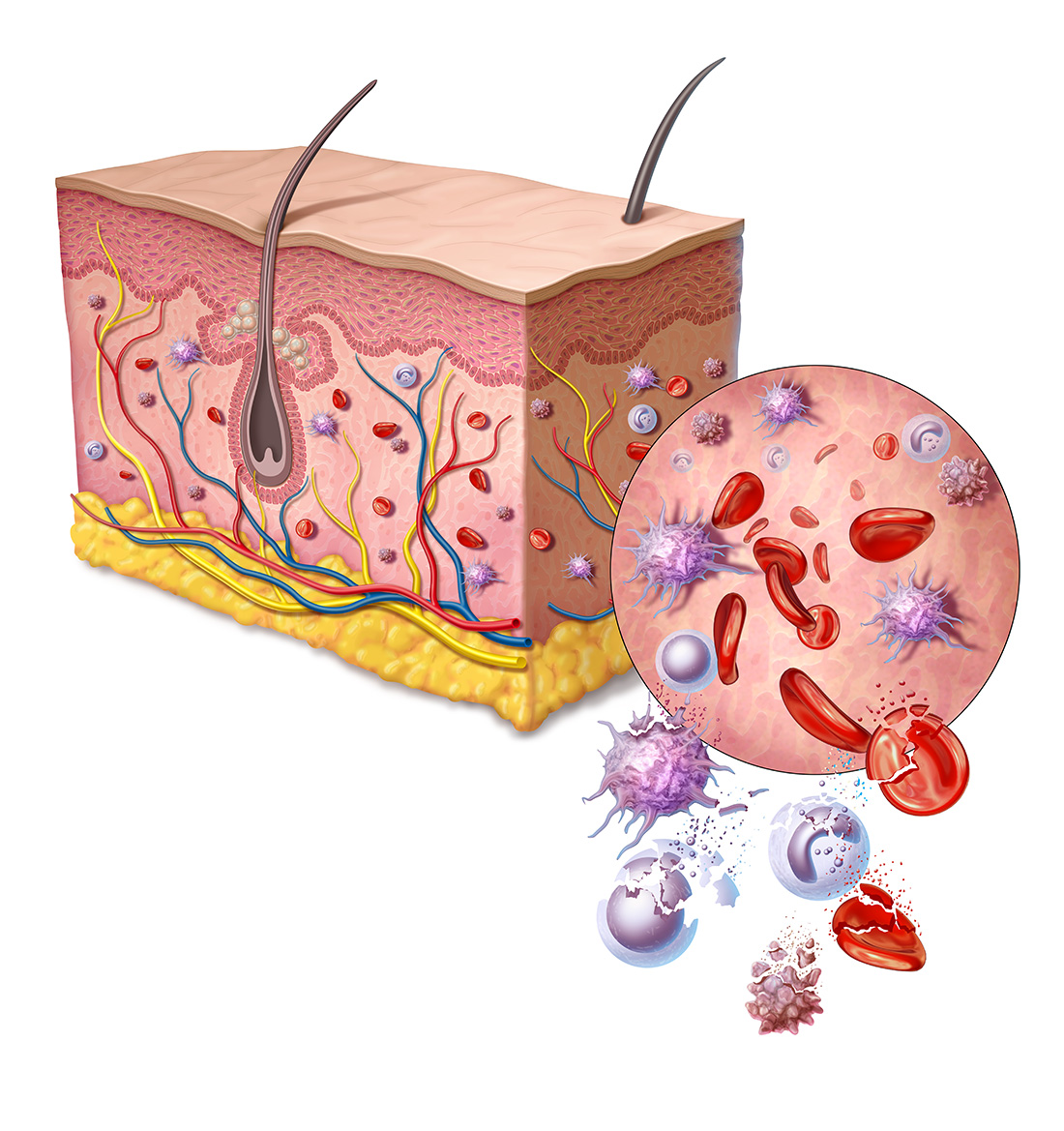
Unprocessed human dermis1
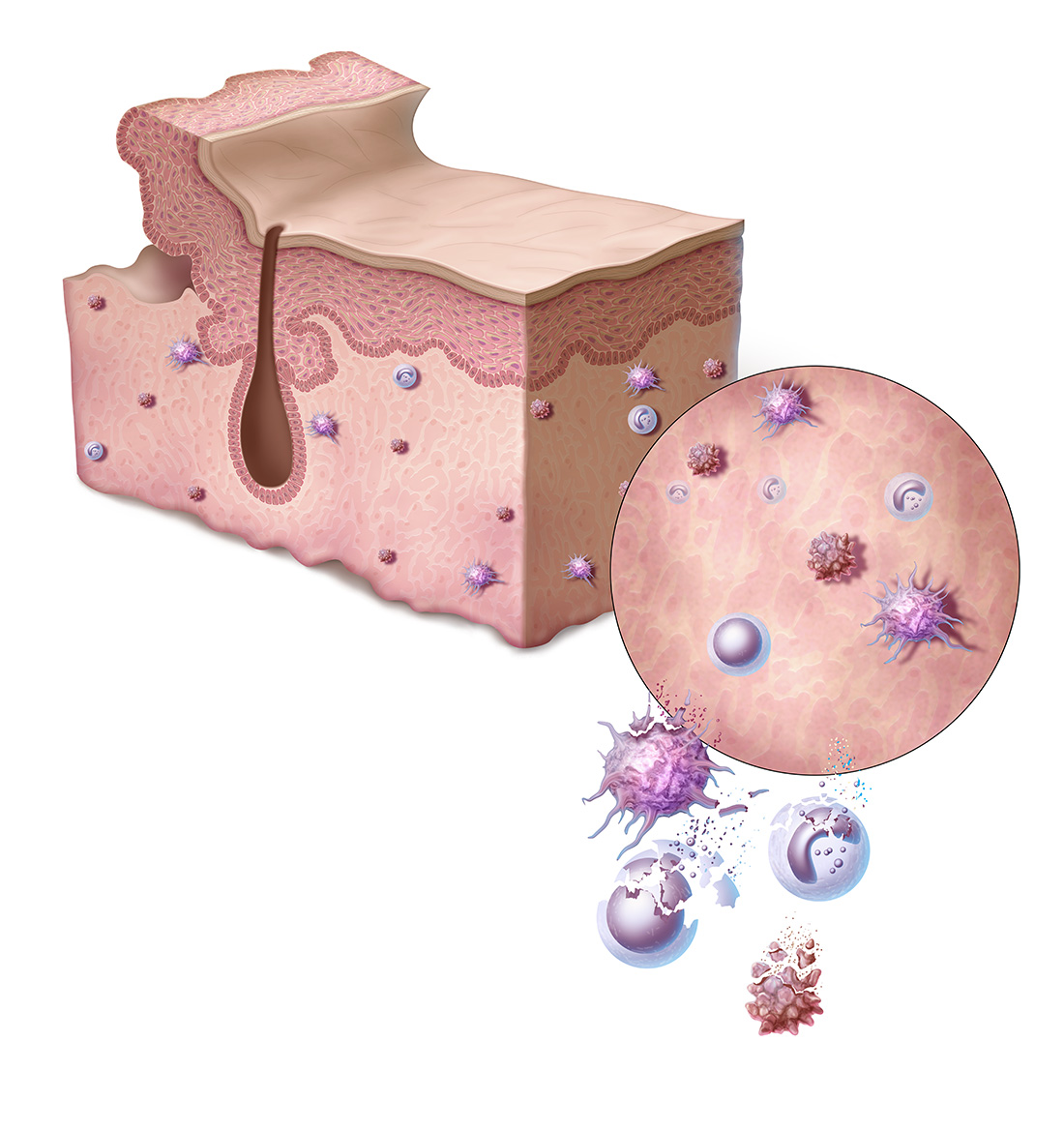
Processing removes cellular and DNA content (DAPI nuclear DNA stain. 20× magnification.)
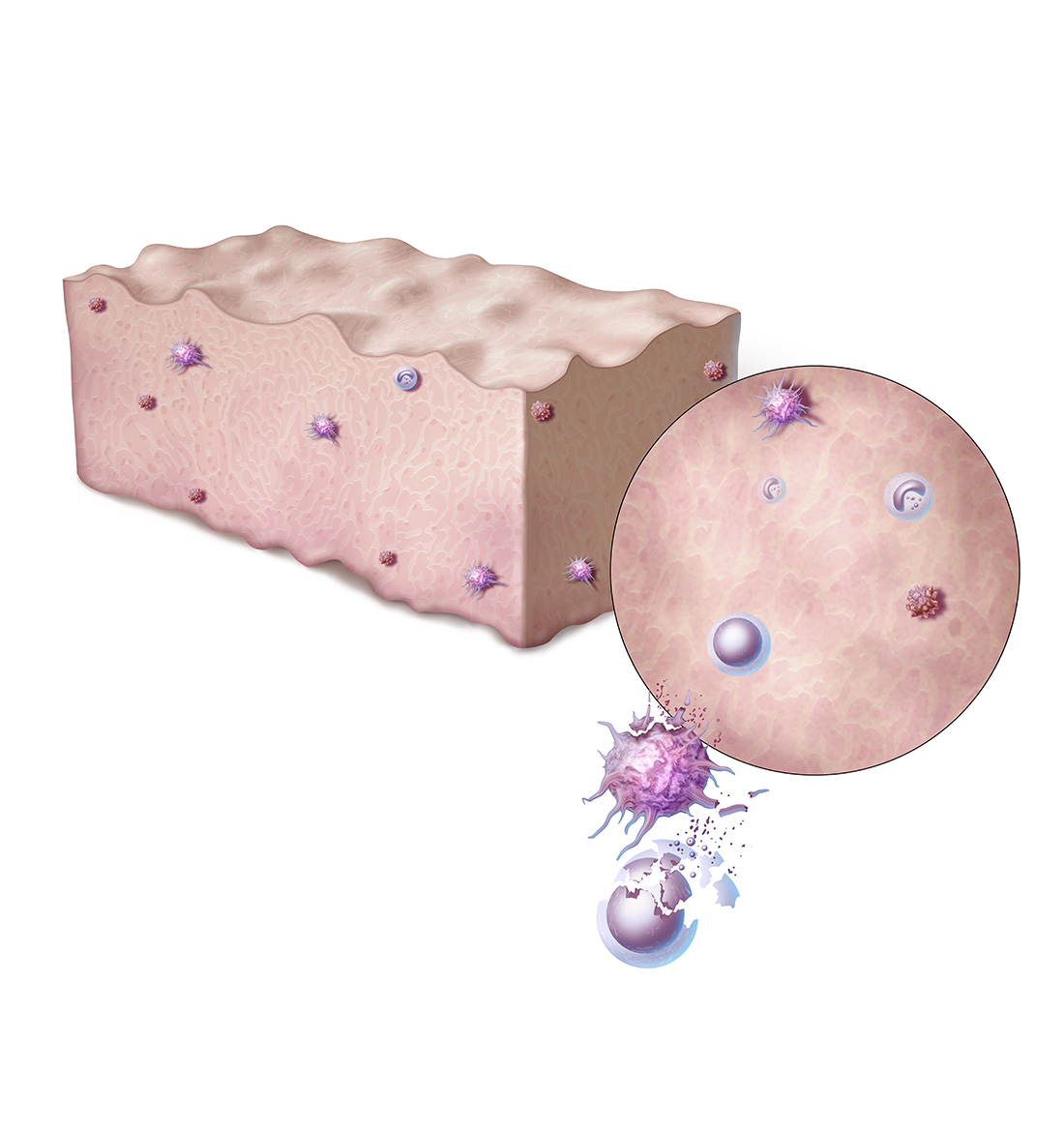
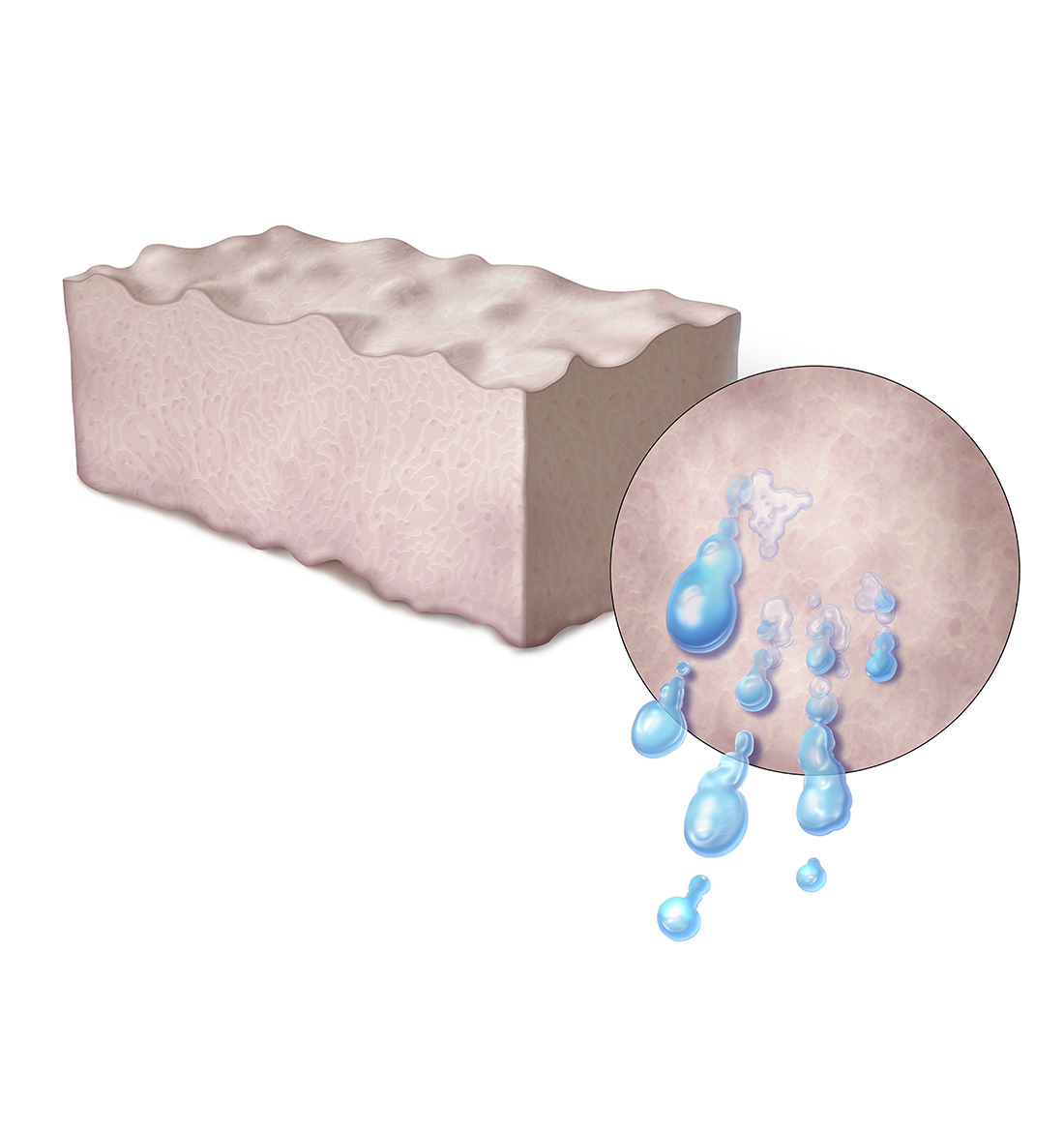
Our strict approach to dermal processing takes all the necessary steps to ensure the best outcomes. Our tissue sterilization process sterilizes tissue safely and effectively while maintaining native characteristics.
Osmotic Treatment
Osmotic treatment disrupts cell membranes to facilitate removal of cells and cellular debris.
Alkaline Treatment
Alkaline treatment removes cells and lipids.
Oxidative treatment
Oxidative treatment removes immunogenic structures and viruses.
Solvent treatment
Solvent dehydration removes water and preserves the tissue.
Irradiation
Low-dose radiation produces a terminally sterile graft.
Preservative free1
Normal immune response1,6,9,†
Up to 5-year shelf life1
30 second rehydration1
Rapid graft incorporation
Cortiva® allograft dermis, processed using a proprietary method that maintains the native dermal structure, has demonstrated rapid revascularization and remodeling to support graft incorporation.1,6,7,9,*,†
Pre-clinical studies
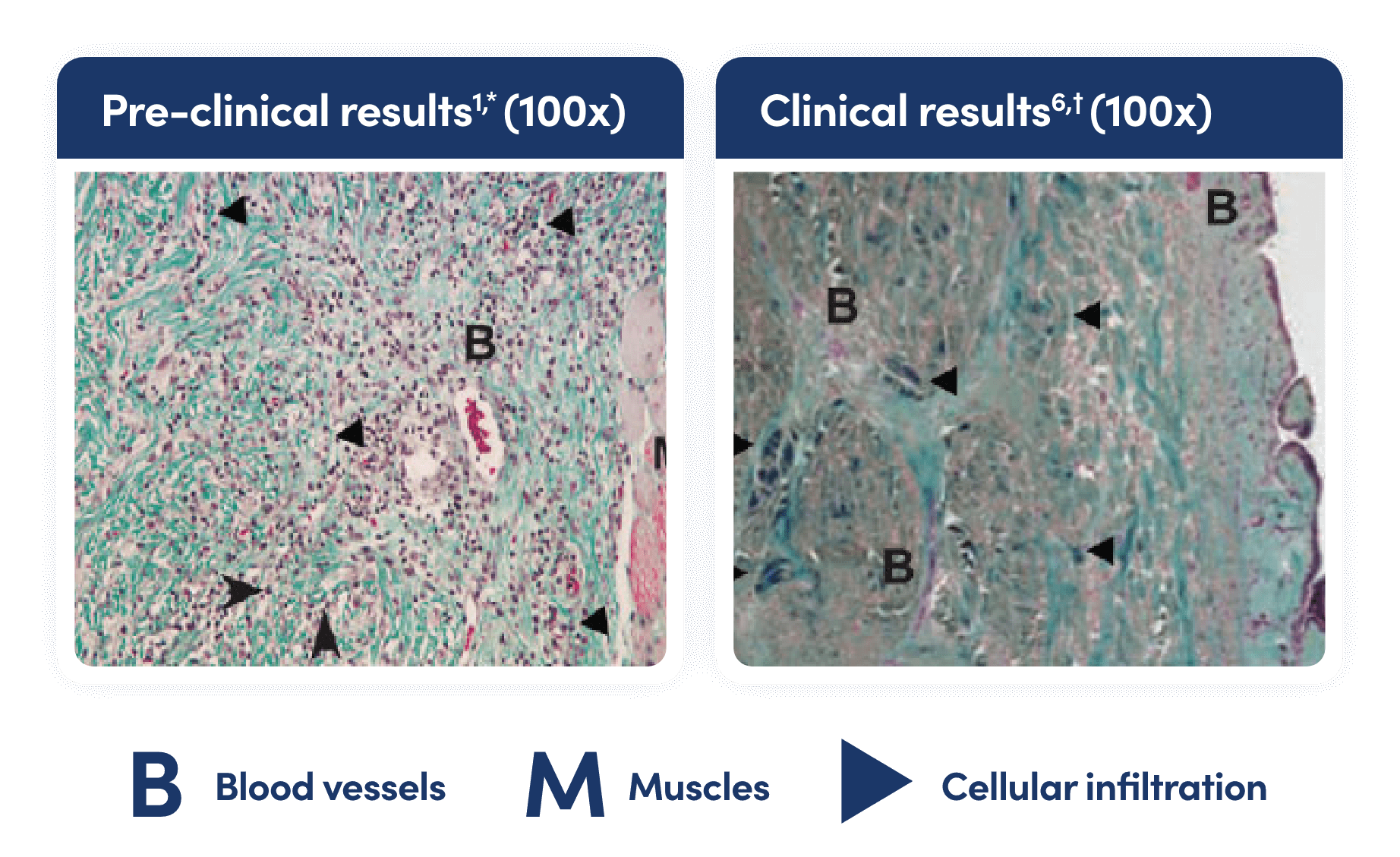
In pre-clinical studies, cellular infiltration and capillary formation were observed as early as 7 days post implantation along with a favorable immune response consistent with normal wound healing.1,*
Clinical studies
In a clinical setting, 13 patients underwent a second planned procedure where the graft was biopsied, and robust revascularization and incorporation were observed.6,†
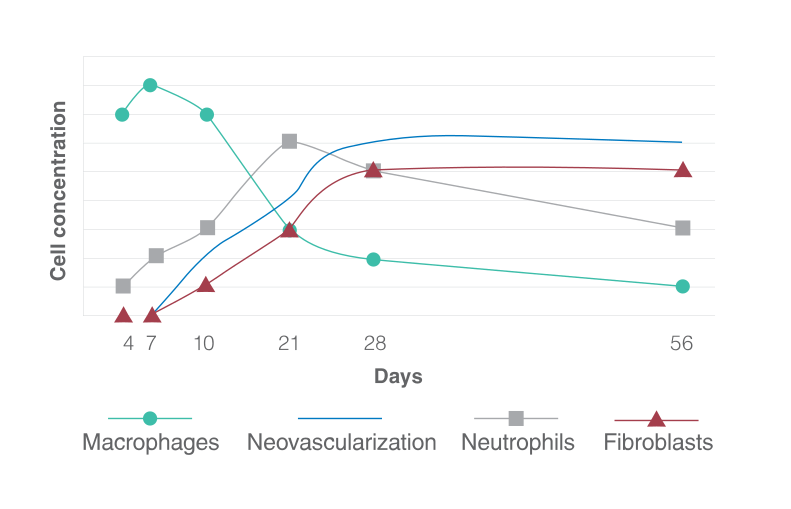
This graph illustrates the qualitative healing response to implanted Cortiva® allograft dermis in a pre-clinical study. Plotted as a concentration of various types of cells present in the explanted tissue as a function of time, the graph is consistent with the temporal sequence of normal wound healing.1,*
Level 1 clinical evidence
In a prospective randomized controlled trial of 302 patients, outcomes with Cortiva® 1mm allograft dermis (151 patients) were compared to outcomes with AlloDerm RTM (151 patients). The study noted that the odds of seroma formation were nearly twice as high with AlloDerm RTM than with Cortiva® 1mm allograft dermis (p=0.047) after adjustment for relevant covariates.7,†
Seroma
Hematoma
Infection
Necrosis
Dehiscence
Reconstructive failure
21 (7.6%)
4 (1.4%)
24 (8.7%)
17 (6.1%)
14 (5.1%)
23 (8.3%)
AlloDerm RTM
33 (12%)
10 (3.6%)
26 (9.3%)
22 (7.9%)
16 (5.7%)
26 (9.3%)
p-Value
0.09
0.17
0.80
0.43
0.73
0.68
Comprehensive portfolio
The Cortiva® allograft dermis portfolio offers a variety of options. Surgeons can choose the thickness, size and shape of dermis to fit their surgical approach.
We deliver the highest standards of quality, proven safety, exceptional supply reliability and unwavering scientific integrity.
Highest standards of quality
Precise tolerances for allograft thickness and size.1
To ensure each measurement meets our strict specifications, graft measurements are not averaged and processes include relevant controls to ensure graft consistency.1
Tissue processors and donor chart reviewers have an average of 10+ years of experience and are supported by two medical directors who are licensed physicians.1
Proven safety
More than 8.8 million tissue-based implants, including Cortiva® allograft dermis, have been processed using the same proprietary, validated sterilization method with zero confirmed cases of implant-associated infection.1
We maintain the highest level of sterility (SAL 10-6) for Cortiva® allograft dermis, without impacting the native structure of the dermis.1,*
Clinical studies demonstrate an excellent safety profile.6,7,12,†
Unwavering scientific integrity
80,000 square feet of laboratory and processing space dedicated to researching new applications of human tissue, and improving and validating new tissue processing methods.1
Proudly hosts numerous healthcare practitioner education programs, including peer-to-peer round tables to foster discussions among surgeons nationwide, regardless of their product preferences or preferred techniques.
Evergen Donor Services supports tissue procurement partners through in-depth technical training to optimize recovery outcomes and maximize the gift of tissue donation.1
Exceptional supply reliability
Significant investments in processing capacity and operational excellence support a +99% on-time delivery rate for Cortiva® allograft dermis.1
Long-standing partnerships with leading tissue procurement organizations and tissue bank certifications seamlessly integrate our supply chain with implant processing.1
Investments in state-of-the-art technology enable us to maximize the gift of tissue donation.